Technical/UX Writer
Complex software shouldn't require a manual to navigate. As a Technical/UX Writer, I shape in-product microcopy, intuitive user flows, and content architecture, reducing friction and helping users achieve their goals intuitively.
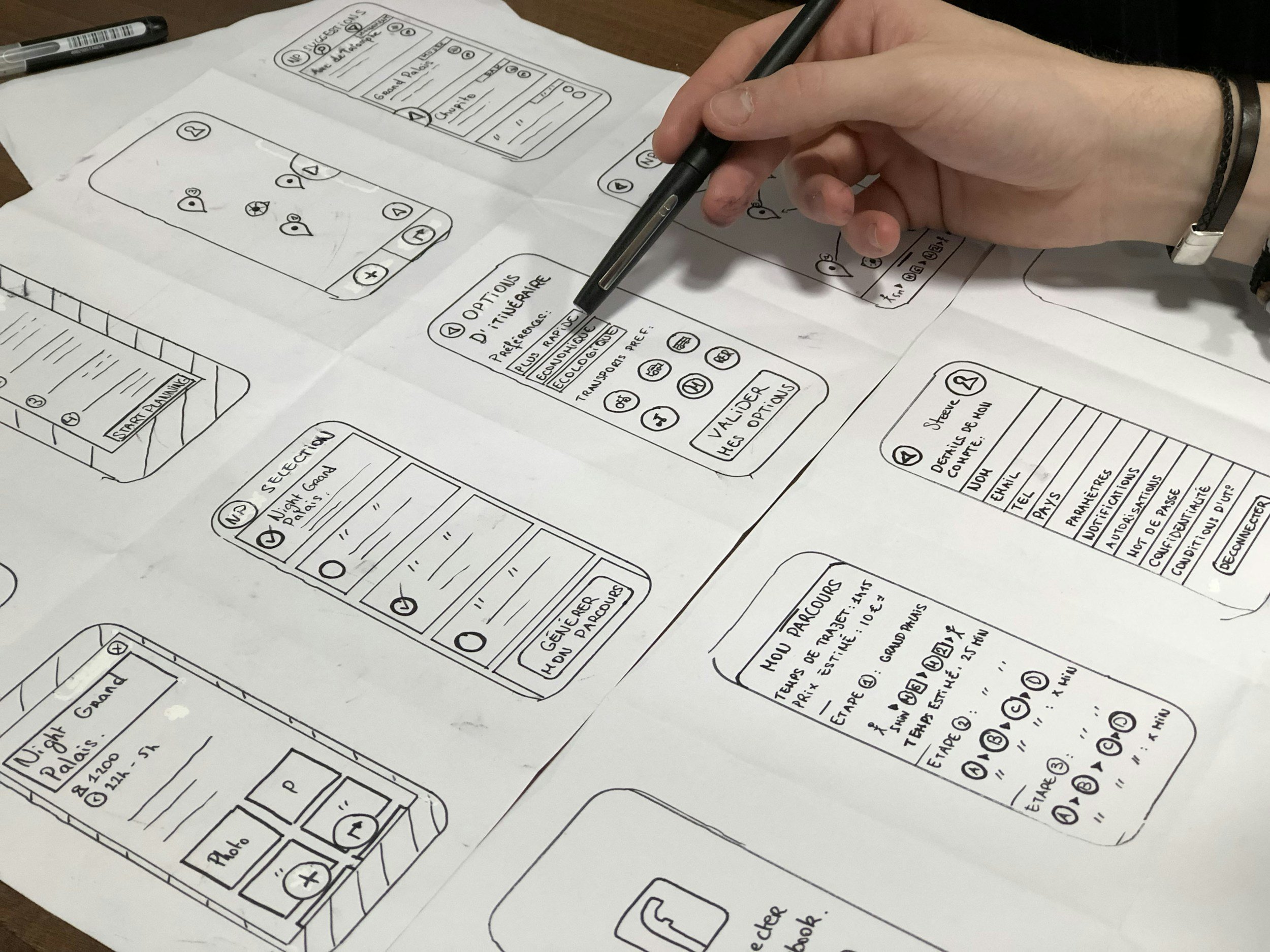
Click on the images below to see individual project pages, or view the entire online help here: Vectorworks Online Help
Skills demonstrated:
SME collaboration
Information architecture
UI documentation
AI-assisted research
User-focused writing
HTML/CSS for online delivery
Prompt engineering/AI usability testing
By the numbers:
Documented 15+ new features per launch
Supported quarterly software releases
Maintained a nearly 3,000-page online help system
Prepared documentation for translation into seven languages
Improved user experience with AI Assistant through prompt engineering and usability testing
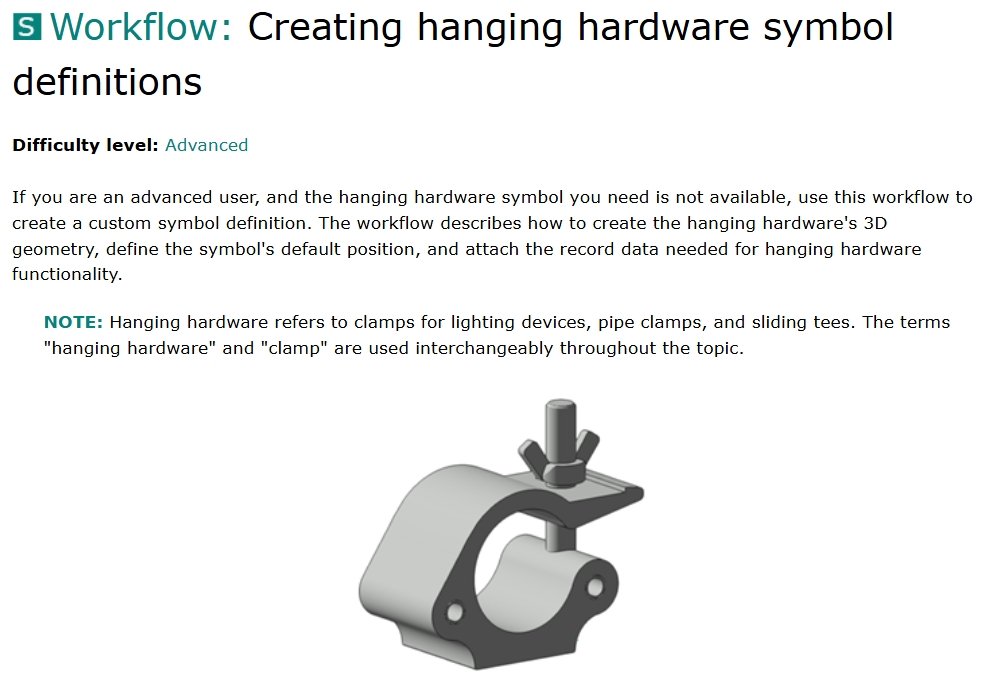
Hanging Hardware Workflow
Overview
Provided contextual guidance for a complex 3D modeling workflow. By breaking down intricate CAD parameters into structured steps, the documentation lowered the barrier to entry and provided a fast, reliable reference to existing users.
Impact & UX Outcomes
Reduces Cognitive Load: Simplified an advanced procedure into a micro-guide, allowing users to process dense parameter setups without overwhelm.
Cross-Functional Alignment: Partnered with SMEs to establish standardized terminology across the UI, feature specs, and user-facing documentation.
Improved Discoverability: Redesigned information architecture using clear visual hierarchy and structured headings, enabling users to find actionable solutions in fewer clicks.
Process & Research
Subject Matter Research: Conducted deep-dive sessions with entertainment lighting SMEs to map out real-world rigging workflows and user mental models.
AI-Assisted Synthesis: Leveraged generative AI tools to analyze technical feature specs, accelerate initial research, and streamline drafting iterations.
Progressive Disclosure: Structured content to serve both novice users learning the step-by-step setup and power users scanning for specific property settings.
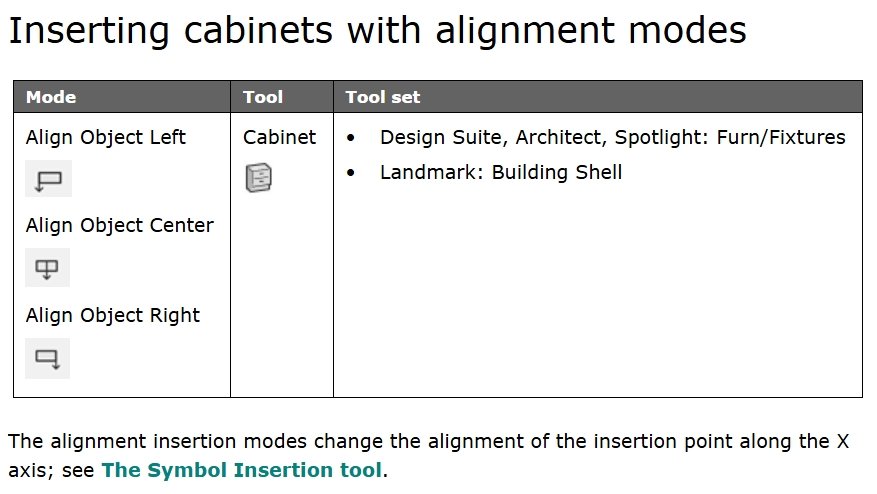
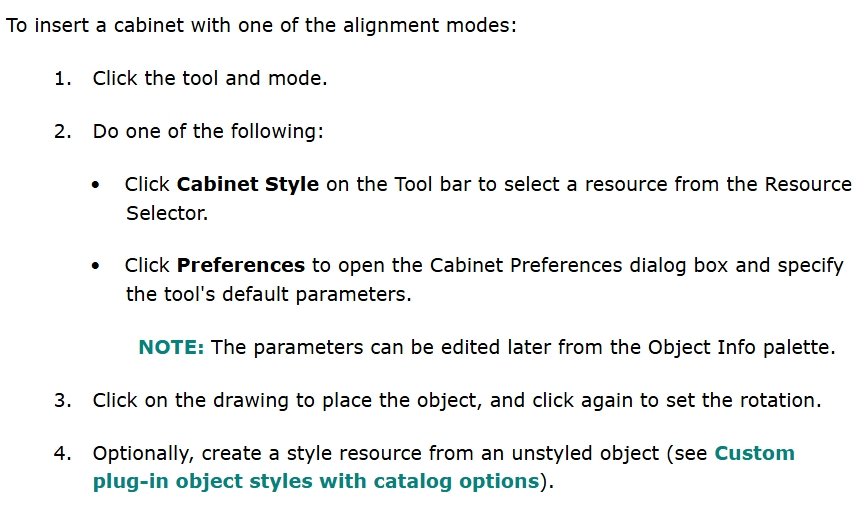
Cabinet Insertion & Configuration User Onboarding
Overview
Designed the user assistance and structural content patterns for architectural interior modeling. Focused on guiding interior designers through complex configurations without breaking their creative flow.
Impact & UX Outcomes
Streamlined User Journeys: Broke down extensive, multi-parameter configuration tasks into contextual micro-flows.
Cross-Functional Alignment: Partnered with software engineers, product planners, and industry experts to standardize component nomenclature across the tool palette, dialog boxes, and user-facing guidance.
Improved Discoverability: Structured the topic’s information architecture into progressive steps, allowing users to move from basic placement to advanced custom configurations in fewer clicks.
Process & Research
Subject Matter Research: Collaborated with architectural and interior design SMEs to map real-world millwork workflows and understand user mental models around parametric object placement.
AI-Assisted Synthesis: Utilized generative AI tools to parse technical software specifications, accelerate initial feature research, and streamline drafting iterations.
Progressive Disclosure: Structured content to allow novice users to quickly place active styles while offering power users immediate access to custom box, face, and hardware parameters.
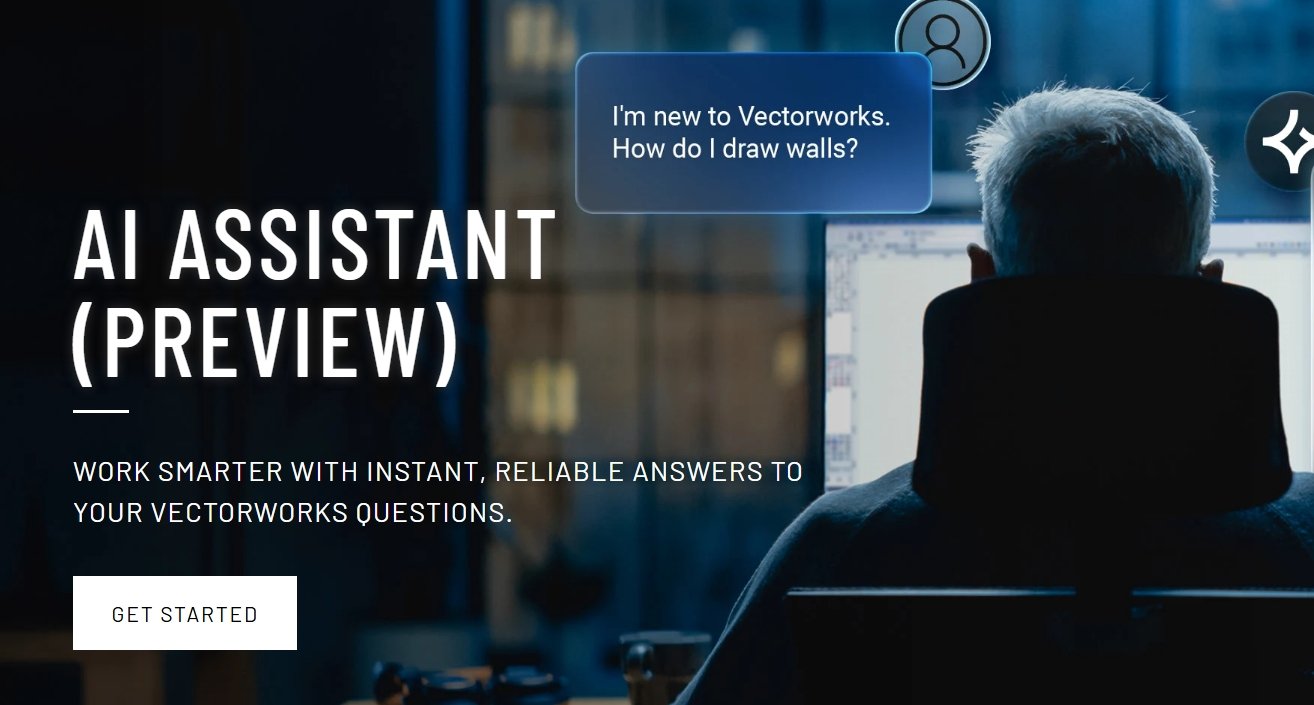
AI Assistant Optimization
Overview
Optimized content design and prompt architecture for the Vectorworks AI Assistant to improve answer retrieval, reduce hallucinations, and deliver human-centered conversational guidance.
Impact & UX Outcomes
Enhanced Retrieval Precision: Optimized CMS keyword indexing and topic metadata taxonomy for complex CAD queries.
Reduced Time-to-Answer & Hallucinations: Engineered robust system prompts to guide tone, output structure, and context boundaries.
Cross-Functional Alignment: Collaborated with AI software engineers, product managers, and technical writers to align prompt instructions with system capabilities, user intent patterns, and confidence scoring models.
Process & Research
System Prompt Engineering & Guardrails: Designed, tested, and iterated system prompts to properly handle user follow-up questions and edge cases.
CMS Search Taxonomy & Metadata Optimization: Conducted gap analyses to embed targeted keywords and industry-specific terminology into the help system’s architecture.
AI Query Synthesis & Iterative Testing: Tested conversational user intent against real-world CAD/BIM workflows to continuously refine prompt logic and document retrieval scoring.

UX Writing Process
Great UX content isn't added at the end, it's designed alongside the product. Transitioning complex software capabilities into clear user experiences requires a structured, research-backed methodology. Here is how I collaborate with product teams from initial discovery through post-launch optimization to deliver intuitive, human-centered content design.
01
Discovery & Mental Model Mapping: Researching user forums and collaborating with SMEs to understand how users talk about their tasks (not just how engineers code them).
02
Content Prototyping & Collaboration: Working alongside product designers to test terminology, empty states, button copy, and error messages before final implementation.
03
Iterative Usability Testing: Analyzing user queries to continuously refine microcopy and documentation architecture.